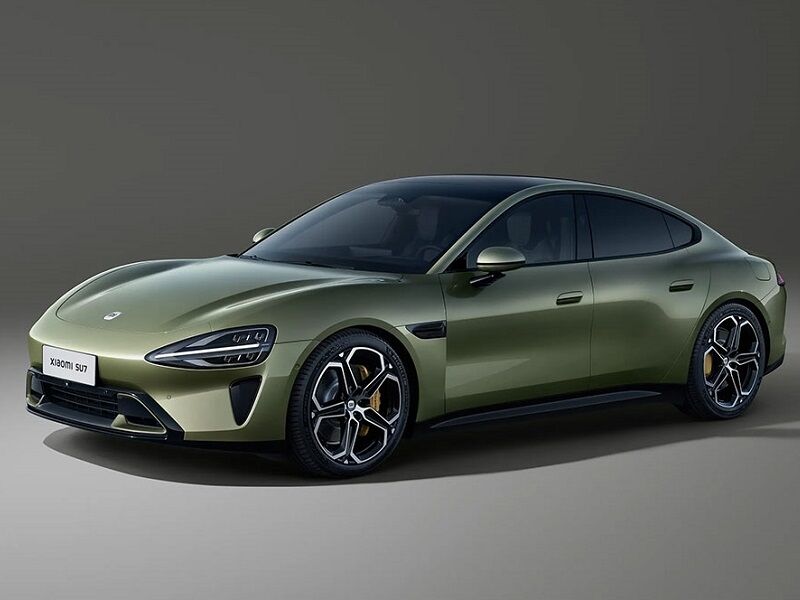
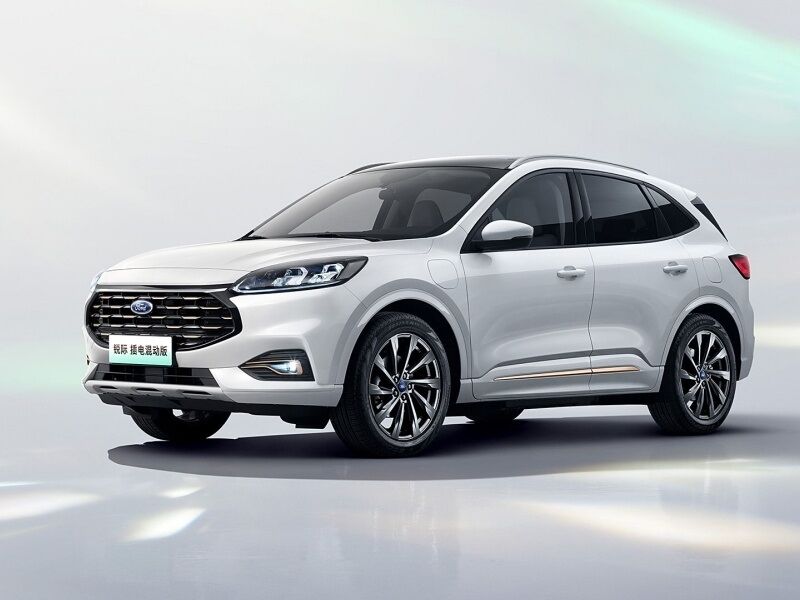
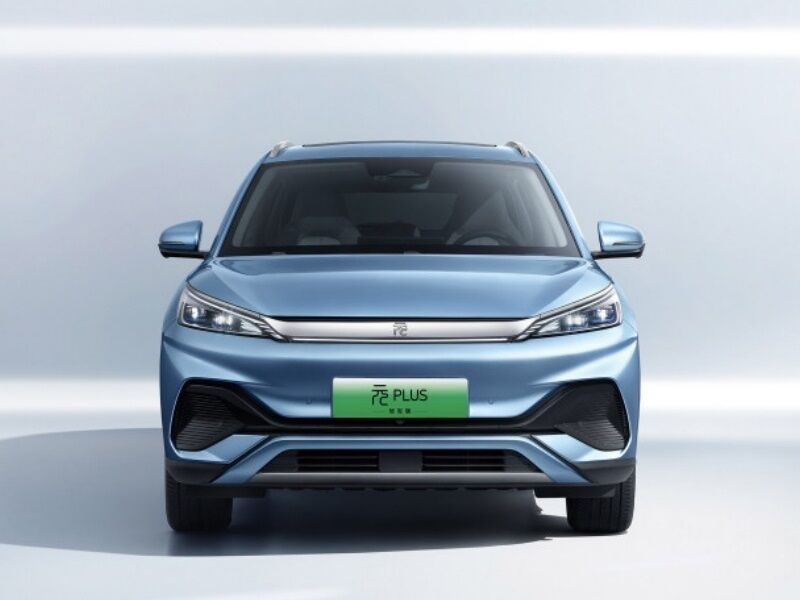
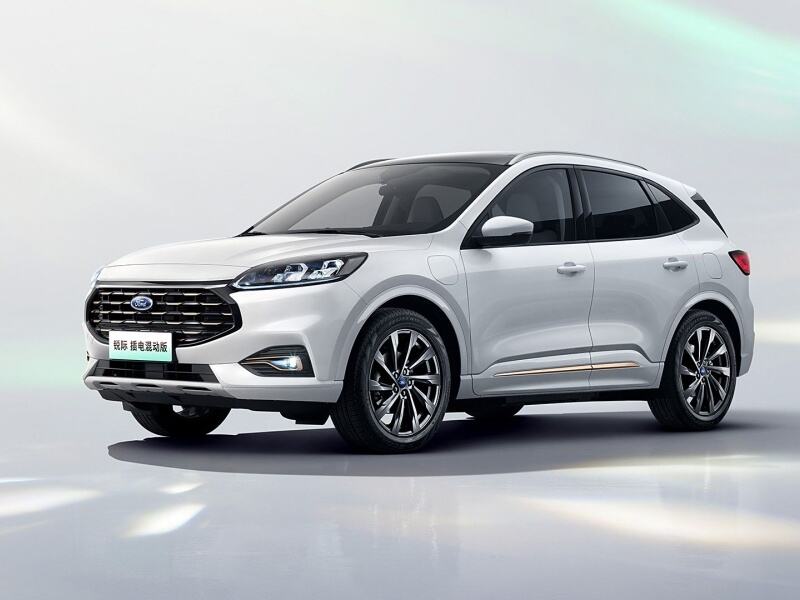
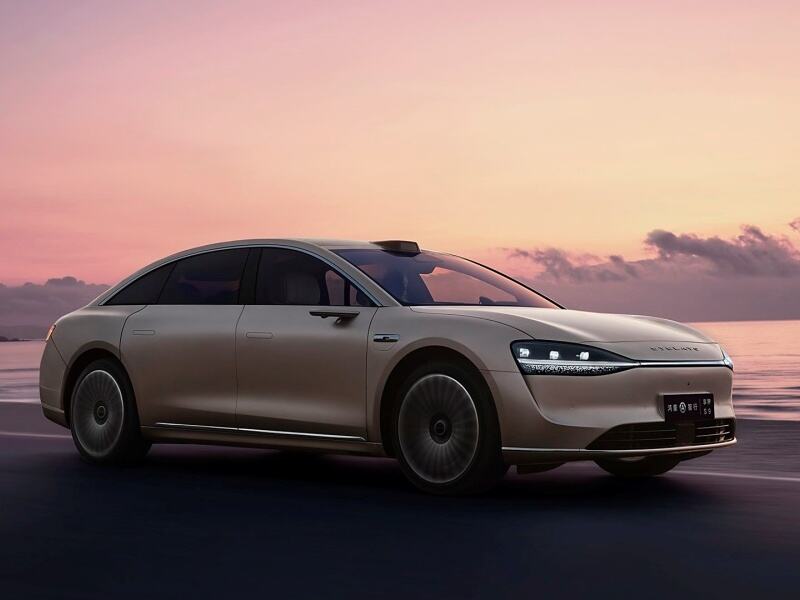
Comparing new energy vehicles (NEVs) vs plug-in hybrids (PHEVs) highlights differences in powertrain, range, and use cases, guiding buyers toward the right sustainable option. New energy vehicles, which include fully electric vehicles, run solely on batteries, producing zero tailpipe emissions and relying entirely on charging, making them ideal for eco-conscious drivers with access to charging infrastructure. They offer longer electric ranges (200-400+ miles) and lower operating costs, as electricity is cheaper than gasoline, and they have fewer moving parts for reduced maintenance compared to plug-in hybrids. Plug-in hybrids, by contrast, combine an electric motor with a gasoline engine, allowing short all-electric trips (15-40 miles) for daily use and switching to hybrid mode for longer journeys, eliminating range anxiety—a key advantage over new energy vehicles for those without reliable charging. PHEVs are more flexible for long trips, as they can refuel at gas stations, while new energy vehicles require planning for charging stops. However, new energy vehicles have higher efficiency in electric mode and lower overall emissions, while plug-in hybrids rely on gasoline for extended use, reducing their environmental benefit. The choice between new energy vehicles vs plug-in hybrids depends on driving patterns: NEVs suit daily short trips with charging access, PHEVs for mixed short and long journeys.

No. 22 Changfeng Road, Changfeng Wanbang Automobile City Annex (commercial) No. 9 Wuhan Hubei China
Copyright © 2024 by Wuhan Chu Yue Tong Used Motor Vehicle Trading Co., Ltd. Privacy Policy
 EN
EN