
 EN
EN
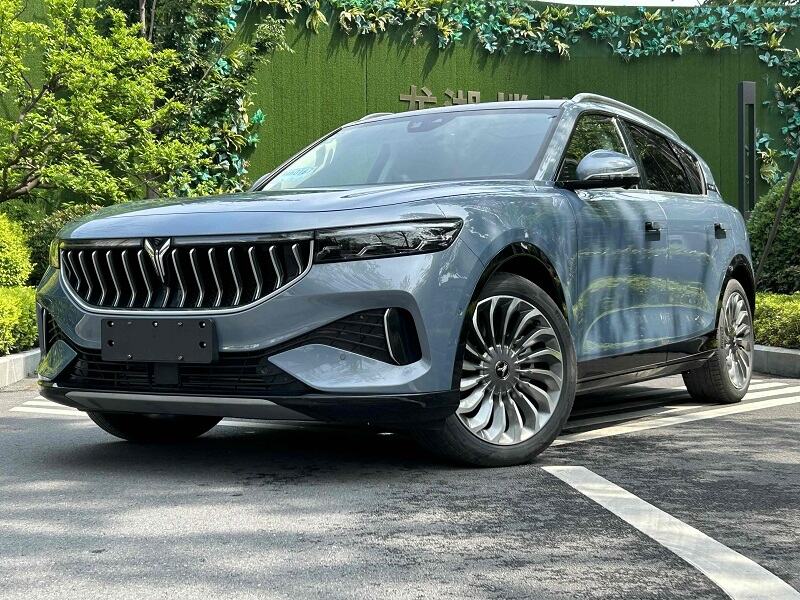
Prioritize Proven Reliability: Model-Year Data Over Brand Reputation
Use J.D. Power, Consumer Reports, and RepairPal to Identify Top-Rated Used Car Models by Year
Just because a car has a fancy nameplate doesn't mean it will last forever. Looking at how cars perform year after year tells us much more about their real world durability than any marketing campaign ever could. J.D. Power tracks vehicle dependability through their VDS study, counting how many problems pop up in 100 vehicles. The best ones usually stay below 100 issues per hundred cars. Consumer Reports goes even deeper, checking out seventeen different parts of the car from engines to entertainment systems across over 300 thousand vehicles each year. RepairPal adds another layer by asking mechanics which models actually need fixing most often. Take compact SUVs as an example. Those made between 2018 and 2020 have about 28 percent fewer powertrain problems compared to older models from 2015 to 2017. When we look at all these reports together, sometimes surprising things happen. A moderately priced sedan might actually hold up better than expensive luxury cars when it comes to breaking down. So next time someone talks about brand reputation, remember that what really counts is how well a particular model performs over time, not just what logo is on the hood.
Check NHTSA Recall History and Owner-Reported Failure Patterns via VIN and Model-Year Filters
Check for outstanding recalls with the NHTSA VIN lookup tool before buying any used car since around one out of every four has unresolved safety issues. Look at model years specifically because some generations have known problems. For instance, there were quite a few transmission troubles reported in vehicles made between 2015 and 2017. Don't stop there though. Visit sites like CarComplaints.com and read through genuine automotive forums where owners share real experiences. These sources often highlight common issues that mechanics might miss during inspections. Electrical systems tend to fail around 60k miles on many models, brake rotors warp sooner than expected, and HVAC motors give trouble too. When a particular problem gets mentioned over fifty times within twelve months across different cars, that's usually a sign something went wrong during production. Combining what shows up in the VIN check with these long term reliability patterns can save thousands down the road when it comes time for unexpected repairs.
Calculate True Cost-Effectiveness of a Used Car Beyond Purchase Price
Estimate 5-Year Total Cost of Ownership: Depreciation, Fuel, Insurance, and Predictive Maintenance Costs
Looking at true cost effectiveness means going beyond what's on the sticker and actually calculating the total cost of ownership over five years. Depreciation alone eats up around 40% of this total cost according to industry numbers. Most cars lose between 25% and 35% of their value within three years, though this varies quite a bit depending on the specific model and current market conditions. For someone driving about 15,000 miles each year, fuel costs typically account for roughly 26% of overall expenses. National insurance rates average around $1,765 annually based on 2023 figures from III. Older models generally need maintenance spending somewhere between $900 and $1,200 every year. Don't forget to factor in those predictable repair costs either. Some models have notorious trouble spots like timing chains or transmissions that might need attention sooner rather than later. Checking service history records for these potential issues gives a much clearer picture of what to expect financially down the road. Taking all these factors together helps avoid unpleasant surprises later on and identifies which cars really offer good value when considering their entire lifespan.
| Cost Component | % of TCO | 5-Year Estimate |
|---|---|---|
| Depreciation | 40% | $12,000–$18,000 |
| Fuel | 26% | $7,800–$9,500 |
| Insurance | 18% | $8,800+ |
| Maintenance | 16% | $4,500–$6,000 |
Compare Kelley Blue Book Fair Market Range with Residual Value Trends to Spot Hidden Value
Kelley Blue Book gives buyers a good idea of what cars are worth on the market these days, though looking at how much different models keep their value over time tells an even better story about real worth. Cars that lose around 15 to maybe 20 percent of their value within three years tend to save owners about 25% more money in the long run than similar models. When checking out KBB prices, it's smart to compare them against past residual values from places like ALG or Edmunds too. Vehicles that hang onto more than 65% of their original price tag after five years usually cost less overall and sell for better prices later on. This kind of double check helps spot cars that actually hold their value well instead of just seeming cheap upfront.
Perform Essential Due Diligence Before Buying a Used Car
Thorough due diligence separates smart purchases from costly mistakes. Never skip these critical steps to protect your investment.
Interpret CARFAX/AutoCheck Reports: Spot Flood Damage, Odometer Fraud, and Salvage Title Red Flags
Car history reports can be really helpful, but they need to be read with some skepticism. Watch out for things that don't quite match up. If there's a title transfer but no change in mileage listed, that could mean someone tampered with the odometer. Sometimes vehicles have titles from different states that don't tell the whole story about past accidents or repairs. Flood damaged cars tend to hide their secrets well. A weird smell in the interior, dirt buildup beneath the floor mats, or rust spots around electrical components might all be clues. For serious checks, compare any claimed flood damage dates against actual weather records from NOAA. This helps figure out if what's written on paper actually happened. Whenever something doesn't add up, it's probably worth investigating further instead of just dismissing it as a minor issue.
Conduct a Pre-Purchase Inspection with a Trusted Mechanic Specializing in Used Car Evaluations
Getting an independent inspection before buying a used car should be at the top of everyone's list. Look for someone with ASE certification who works separately from any dealership or private seller. These mechanics specialize in evaluating secondhand cars rather than just doing regular maintenance work. During the checkup, they'll actually test the cooling system under pressure, go through all the ECU fault codes (not just the ones showing on the dashboard), and carefully measure how thick and straight those brake rotors really are. Pay special attention to parts that cost a fortune to replace later on. Check if the transmission shifts smoothly between gears, listen for unusual noises coming from the timing chain area, make sure the subframes aren't cracked or rusted through, and examine those suspension bushings for signs of wear. The best inspectors can spot hidden damage too. With tools like paint thickness meters, close examination of welds, and proper wheel alignment checks, they find problems most people would never notice even after years of ownership.
FAQs
What is the main advantage of using model-year data over brand reputation when buying a used car?
Model-year data provides insight into a particular vehicle's reliability and performance over time, whereas brand reputation is general and may not reflect individual model reliability.
How can I check for unresolved recalls on a used car?
You can check for unresolved recalls using the NHTSA VIN lookup tool, which allows you to view recall history specific to the vehicle's model year.
Why is it important to conduct a pre-purchase inspection for a used car?
A pre-purchase inspection can uncover hidden issues that may not be apparent during a regular inspection, protecting you from costly repairs.