
 EN
EN
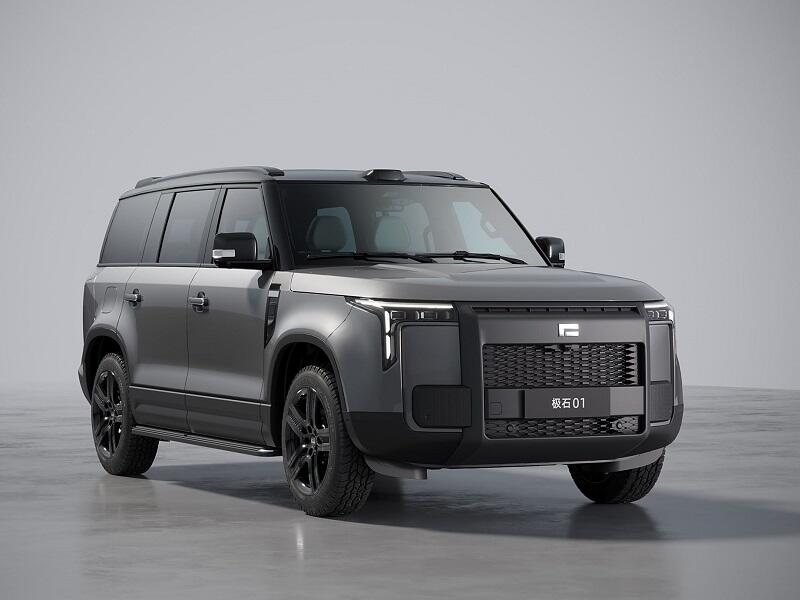
Spacious Three-Row SUVs Built for Real Family Life
Third-Row Usability: Legroom, Entry Ease, and Daily Comfort Metrics
When family comfort matters most, third row seating isn't optional it needs to work in practice, not just exist as a feature on paper. The top performers manage to give adults decent leg space around 33 inches thanks to smart engineering of the seats themselves and how they fit around the vehicle's floor structure, rather than just making bold promises. Sliding second row seats that move with one touch plus generous sized rear doors really make getting in and out easier, which everyone appreciates especially those chaotic mornings when trying to get multiple kids out the door with backpacks and sports equipment. Comfort over long drives depends on small details like curved seat backs that help fight off back pain after an hour behind the wheel, some models even offer rear air vents so passengers don't suffocate, and plenty of headroom well over 38 inches means teenagers won't feel cramped alongside their parents. The reality is that third row space differs a lot between vehicles. A few SUVs actually allow three grown ups to ride together for shorter journeys, but many are only practical for younger passengers or when needed infrequently.
Cargo Flexibility: Measured Capacity Behind Third Row and with Seats Folded
Family versatility in an SUV really comes down to getting everyone and everything where they need to go without cutting corners somewhere else. Most top rated models have around 15 to maybe 20 cubic feet behind the third seat row, which works well for storing a regular sized baby stroller, all the week's shopping, or gear for kids' sports activities. When just the third row is folded away, there's suddenly about 40 to 50 cubic feet of space available, plenty room for four big suitcases or several hockey bags stacked together. And if both back seats fold completely flat, the total interior space goes over 70 cubic feet, making it possible to transport small furniture pieces or set up gear for camping trips on weekends. The clever design features matter too. Things like hidden storage compartments beneath the floor, easy access loading areas, and built in points to secure items give extra value that simple cubic foot measurements don't capture. Keep these practical considerations in mind while looking for an SUV that fits actual family transportation requirements.
| Configuration | Typical Capacity | Practical Use Cases |
|---|---|---|
| Behind 3rd row | 15â20 cu ft | Strollers, weekly groceries, soccer gear |
| 3rd row folded | 40â50 cu ft | 4+ suitcases, bikes, ski gear |
| All rear seats folded | 70+ cu ft | Furniture, kayaks, large equipment |
Family-Centric Safety and Convenience Features in Modern SUVs
IIHS Top Safety Pick+ SUVs with Standard ADAS (AEB, Blind-Spot, Rear Cross-Traffic)
The IIHS Top Safety Pick+ award has become pretty much the benchmark for safe family SUVs these days. But getting this rating means manufacturers must include Advanced Driver Assistance Systems (ADAS) on every trim level from day one. We're talking about things like Automatic Emergency Braking, blind spot detection, and alerts when traffic crosses behind the vehicle at low speeds – all safety tech that actually works to prevent accidents on actual roads. Take a look at the latest IIHS numbers from 2024: cars equipped with AEB systems have cut rear end collisions nearly in half during regular daily driving situations. These aren't just fancy gadgets that perform well in controlled crash tests either. They kick in when merging into school zones, changing lanes on busy highways, or navigating tight parking garages – offering real protection no matter if someone is stuck in morning traffic or heading out for a weekend road trip. The fact that these features come standard makes all the difference too. No need to spend extra bucks on optional packages just to get basic accident prevention capabilities, even on entry level models.
Child-Friendly Engineering: LATCH Optimization, Rear Door Alert, and Hands-Free Liftgates
When we talk about family friendly design, we're not just looking at those safety stars on paper. Real engineering addresses the little annoyances parents face every day. Take those LATCH systems with colored markers and easy to follow belt routes. The stronger attachment points really cut down on mistakes when installing car seats. According to some recent studies from NHTSA in 2023, these improvements have led to over 40% fewer installation errors and much better results during accidents. Then there's that rear door warning system. Seems small, but it makes a huge difference. If someone opens a back door before driving off, the car gives both a sound and light alert. This helps stop those awful situations where children get left behind. And let's not forget about those hands free liftgates that open when you wave your foot under the front bumper. No more struggling with shopping bags or trying to hold a toddler while fishing for keys in the car. These features weren't added as fancy extras. They exist because engineers watched how real families struggle with everyday tasks and built practical fixes around them.
Efficient Powertrains for Long-Distance Family Travel: SUV Fuel Economy & Range Reality
Hybrid and PHEV SUVs: Verified Highway MPG and Real-World Trip Range Performance
Family road trips just got a whole lot greener with hybrids and plug-in hybrids (PHEVs) that pack serious efficiency without cutting corners on space or capability. Actual tests on highways show those top rated hybrid SUVs regularly hit around 35 miles per gallon during long drives, which beats regular gas guzzlers by anywhere from 25 to 40 percent. And PHEVs bring something extra to the table too. Most models can run solely on electricity for about 50 to 60 kilometers, perfect for daily commutes or quick trips to the store. When combined with the hybrid system, they'll typically go well over 700 kilometers before needing refueling. The best part? These vehicles let families travel across country without stopping at every gas station along the way, even when packed with kids, suitcases, and maybe a rooftop rack full of gear. The numbers we're talking about here aren't just lab results either. They hold up in real life situations where drivers cruise on highways, tackle mountain passes, and still manage to keep the air conditioning running comfortably.
EV SUV Limitations on Family Road Trips: Charging Infrastructure Gaps and Planning Complexity
Electric SUVs work great around town and in the suburbs, but families quickly run into problems during long road trips. The numbers tell a story too: right now, about a quarter of main highways across America don't have good fast charging stations along them. This creates what people call "charging deserts" where drivers end up taking longer routes just to find power, which adds hours to travel time and plenty of frustration. Charging takes forever compared to filling up at a gas station. Even if everything goes according to plan, it's going to be 30 to 45 minutes at the charger instead of five minutes pumping gas. And let's face it, nobody wants to deal with that when there are screaming kids in the backseat or when trying to stick to a tight schedule. Real world driving cuts down on range too. Expect roughly 25 to 30 percent less mileage when pulling trailers, carrying gear on roof racks, or braving cold winter weather. All these things mean careful planning ahead of time, having alternative charging spots mapped out, and being ready to adjust plans last minute. That makes electric vehicles pretty unforgiving for those impromptu weekend getaways or trips with multiple stops along the way. Until charging networks catch up, hybrid cars still offer the best mix of fuel efficiency, driving range, and practicality for everyday family life.
FAQs
What are the main features to look for in a family-friendly SUV?
Look for spacious third-row seating, ample cargo flexibility, and child-friendly safety features like LATCH systems and rear door alerts.
How does SUV cargo flexibility benefit family travel?
SUVs with flexible cargo space can accommodate various items, from groceries and strollers to furniture and sports equipment, making them versatile for family needs.
Are there limitations to using electric SUVs on road trips?
Yes, electric SUVs may face challenges due to gaps in fast charging infrastructure and reduced range in real-world driving conditions.